Bulldog Embroidery Design Review
When I sit down to review a new design file, my first question is never about the file size or the format. It is about utility. Does this design solve a problem for the maker? Does it translate well from screen to fabric? And most importantly, will the end customer feel like they are holding something worth keeping? Today, I am looking at Bulldog, an instant download cutting file that claims compatibility with machines like Cricut and Silhouette, but more importantly, positions itself as a versatile asset for T-shirts, mugs, bags, and personalized gifts for women, kids, and babies.
As a designer who has stitched thousands of motifs, I approach this Bulldog graphic with a mix of optimism and skepticism. The market is saturated with dog-themed designs, so standing out requires more than just a cute outline. It requires structural integrity in the design, clear visual hierarchy, and a mood that resonates instantly. Here is my practical breakdown of how Bulldog performs in real-world scenarios.
First Impressions and Visual Personality
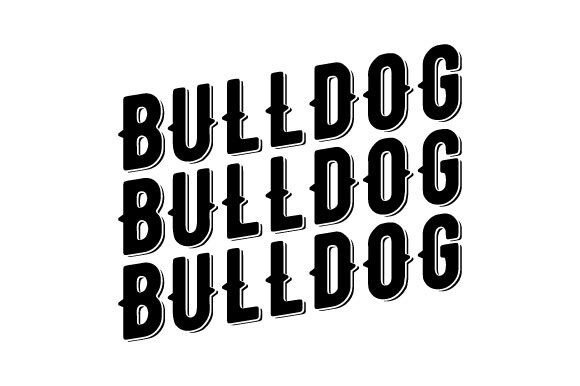
The moment you load Bulldog into your software, the layout speaks to a specific aesthetic. It does not try to be overly ornate or intricate. Instead, it leans into bold shapes and recognizable character traits. This is a smart move for commercial applications. Complex designs often fail when digitized poorly or stitched on cheap garments because the details get lost in the thread. Bulldog avoids this trap by focusing on strong silhouettes.
The mood created by this design is one of sturdy reliability mixed with approachable charm. It feels less like a delicate piece of nursery decor and more like a statement of personality. This makes it incredibly versatile. You can see this design working equally well on a rugged canvas tote bag for a weekend market or on a soft onesie for a newborn’s arrival. The visual weight is balanced, meaning it won’t overwhelm the garment it is placed on, nor will it get lost in the background of a busy print.
Real-World Application: From Sketch to Stitch
Let’s talk about where this design actually shines. In my experience, the most successful handmade products are those that bridge the gap between professional polish and personal warmth. Bulldog hits that sweet spot perfectly.
Imagine preparing a custom order for a client who wants a matching set for their family. You might choose a heavyweight sweatshirt for the father and a lighter cotton tee for the child. Placing Bulldog on the chest of both creates a cohesive brand look without feeling corporate. The design holds its own against the texture of fleece or the weave of jersey knit. For small business owners and Etsy sellers, this versatility is gold. One digital embroidery file can serve multiple product lines, reducing your workload while increasing your inventory variety.
I also see strong potential here for home goods. A kitchen towel or a tea towel featuring Bulldog adds a touch of whimsy to a functional item. These are high-volume, low-cost items that make excellent add-ons at craft fairs. When a customer buys a main item, offering a smaller, complementary embroidered piece increases the average order value. The design’s clean lines ensure it looks sharp even on the rougher texture of a linen blend towel.
Apparel and Accessories
- Tote Bags: Canvas is forgiving, allowing the Bulldog design to pop with vibrant thread colors. It serves as a walking billboard for your brand.
- Caps and Hats: The curved surface of a cap can be tricky, but if the design is scaled correctly, it follows the contour beautifully. It adds a sporty, casual vibe.
- Aprons: For the home baker or chef, this design adds personality to a utilitarian garment. It suggests that cooking can be fun and stylish.
Where Caution Is Required
No design is perfect for every situation. As an experienced reviewer, I must highlight where Bulldog might struggle if you are not careful. Precision matters in embroidery, and certain conditions can ruin a good design.
First, consider the hoop size. If you attempt to stitch this on a very small area, such as the cuff of a sock or a tiny pocket, the details may become muddy. Ensure your machine’s hoop can accommodate the full width of the design without distortion. Similarly, avoid placing this on highly textured fabrics like heavy bouclé wool or loose-weave burlap unless you are using a stabilizer that provides significant backing support. The needle needs a stable surface to create clean satin stitches.
Another critical factor is thread color contrast. On dark fabrics, you will need a dense underlay to prevent the base fabric from showing through. If the design relies on fine lines or thin running stitch elements, these may disappear on black denim or navy blue shirts unless you use high-contrast white or metallic threads. Always test your thread colors against your actual fabric before committing to a large production run.
Be wary of stretchy fabrics like spandex blends without proper stabilization. The tension of the thread can pucker the fabric, distorting the shape of the bulldog’s face. Use a tear-away or cut-away stabilizer depending on the fabric weight to maintain the integrity of the embroidery project.
Technical Notes for the Designer
Before you upload Bulldog to your machine or send it to a cutting plotter, there are several checks you should perform. First, inspect the stitch density. If the fill areas are too sparse, the fabric will show through. If they are too dense, the fabric may become stiff and uncomfortable. Adjust the scale if necessary to balance coverage and flexibility.
Create a printable mockup in black and white. This helps you evaluate the composition and balance without being distracted by color. Does the eye travel naturally across the design? Are there any awkward gaps? Once you are satisfied with the structure, test the design on scrap fabric. Check how the applique design elements (if applicable) lay flat. Look for any loose threads or tangled areas that indicate a need for tension adjustment.
Furthermore, verify the licensing terms. Since this is marketed for commercial use, ensure you have the right to sell finished products. Some files allow personal use only, while others permit commercial sales with restrictions. Clear communication with your customers about the quality and origin of your handmade product builds trust and protects your craft business from legal issues.
Final Verdict on Value and Appeal
Ultimately, Bulldog succeeds because it is straightforward and effective. It does not overpromise. It delivers a clear, recognizable image that works across a wide range of personalized gift categories. For the Etsy seller looking to diversify their shop, this design offers a reliable option that appeals to dog lovers, parents, and anyone who appreciates bold, simple graphics.
The design enhances the perceived value of your finished product by adding a layer of customization that mass-produced items lack. Customers connect emotionally with animal motifs, and a well-executed embroidery job signals quality and care. Whether you are creating a holiday embroidery collection or a year-round line of custom apparel, Bulldog fits seamlessly into your workflow.
In conclusion, this is a solid addition to your library of design assets. It is practical, adaptable, and visually appealing. By following basic embroidery best practices—testing on scraps, choosing the right stabilizer, and paying attention to contrast—you can turn this simple graphic into a standout piece that delights customers and supports your creative entrepreneurship.