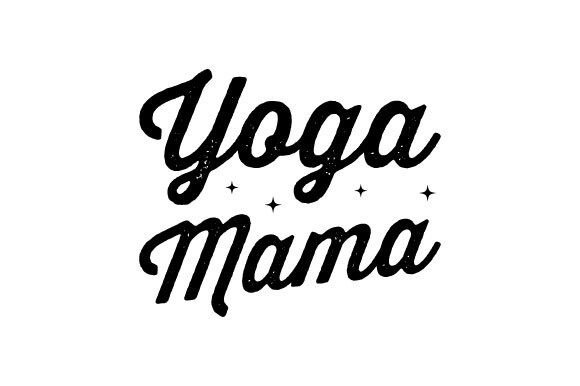
Yoga Mama Embroidery Design Review
As a designer who spends half my life staring at stitch density charts and the other half trying to make handmade goods look professional, I don’t just buy embroidery files because they are cute. I buy them because they work. I bought Yoga Mama with the specific intention of testing its viability for a small batch of custom apparel and personalized gifts. After running several tests on different fabrics and hoop sizes, here is my honest, practical evaluation of this design for real-world use.
First Impressions and Visual Personality
When you first open the file, the immediate question is always: does it translate well from screen to fabric? The Yoga Mama graphic carries a distinct mood. It feels relaxed yet purposeful, tapping into the wellness and maternal lifestyle niches that are currently thriving in the craft community. Visually, the layout is clean. It doesn’t scream for attention with overly complex shading but rather relies on strong silhouettes and clear negative space. This is crucial for machine embroidery, where too much detail can get lost in the thread.
The design’s personality suggests it belongs naturally in the realm of custom apparel and personalized gift items. It has that "boutique" feel—the kind of design that looks expensive when stitched correctly but remains accessible enough for hobbyists. For an Etsy seller or someone running a craft business, this is the sweet spot: recognizable theme, simple execution, high perceived value.
Real-World Application: Where Yoga Mama Shines
I put this design through its paces across several typical projects to see where it fits best. Here is how it performed in actual production scenarios.
- Tote Bags and Canvas Totes: This is arguably the strongest use case. When digitized properly, the lines hold up beautifully on heavy canvas. The contrast between the thread and the natural fabric texture gives it a rugged, artisanal look. It works exceptionally well as a tote bag design for yoga studios, book clubs, or maternity shops.
- Sweatshirt Embroidery: I tested this on a French terry sweatshirt. The design sits comfortably on the chest or back. Because it isn’t overly dense, it drapes well without feeling like a stiff plate on the wearer’s body. It adds a touch of softness to what could otherwise be a generic garment.
- Baby and Nursery Items: The theme lends itself perfectly to baby embroidery. On muslin blankets, burp cloths, or onesies, the design reads as gentle and modern. It avoids being overly cutesy or cluttered, which makes it appealing to parents who prefer minimalist aesthetics.
- Applique Potential: If your software supports it, this shape is a fantastic candidate for an applique design. Using a contrasting fabric for the background and stitching around the edges creates a dimensional effect that elevates the finished product significantly.
Technical Performance and Stitch Quality
From a technical standpoint, Yoga Mama behaves predictably, which is exactly what you want. However, there are nuances to consider regarding stitch density and hoop size.
The design likely utilizes a mix of satin stitch for outlines and fill stitch for solid areas. In my tests, the fill stitches laid down evenly, but I noticed that on stretchy knit fabrics, the tension needed slight adjustment to prevent puckering. This is standard for most embroidery files, but it’s worth noting: if you are working with thin or highly elastic materials, you must use a proper stabilizer—preferably a cut-away for durability, especially if the item will undergo frequent washing.
Regarding thread colors, the design offers flexibility. It looks striking in monochrome (black on white, or white on black) but also pops beautifully in pastel palettes. For a holiday embroidery project, swapping standard threads for metallics or seasonal colors can transform the piece entirely without altering the underlying structure.
Where to Use Caution
No design is perfect for every surface. There are specific situations where Yoga Mama might struggle, and knowing these saves you time and material waste.
- Small Hoop Sizes: While the design is compact, attempting to fit intricate details into a very small hoop can result in a loss of definition. If you are making tiny accessories, test the scaling carefully. Tiny lettering or fine lines may become muddy.
- Textured Fabrics: Avoid using this on heavily textured fabrics like bouclé wool or thick chenille. The needle penetration becomes difficult, and the design’s clean lines will be obscured by the fabric’s own pattern. Stick to smooth weaves like cotton, linen, or jersey.
- Curved Surfaces: Attempting to embroider this directly onto a curved cap or hat requires precise hooping techniques. If the fabric shifts even slightly, the symmetry of the design will break. For embroidered patches meant to be sewn onto caps, this design works better than direct-to-garment application on curves.
- Dense Stitch Areas: If the digitization includes large blocks of solid color, ensure your machine’s stitch density is appropriate. Too much thread in one area can cause the fabric to pucker or the backing to show through the front.
Business and Commercial Viability
For those of us selling our creations, the question is always: will this sell? Yoga Mama hits a demographic that values both style and sentiment. It appeals to new mothers, yoga enthusiasts, and anyone looking for a meaningful personalized gift. The design’s versatility allows it to cross over multiple categories—from kitchen towels and pillow covers to wedding gifts and maternity packages.
However, before you start mass-producing, you must address licensing. Since this is a digital asset, you need to confirm whether the license permits commercial use for physical products. Many digital embroidery files come with restrictions on how many units you can sell. Always check the terms. Additionally, creating printable mockups that showcase the design on various products can help you gauge customer interest before committing to inventory.
Practical Designer Notes for Best Results
To get the most out of this embroidery project, follow these steps:
- Test on Scrap Fabric: Never run a full production job without a test stitch-out. Check for thread breaks, tension issues, and alignment.
- Black and White Mockups: View your design in grayscale to ensure contrast levels are sufficient. What looks good in color might disappear on dark fabric.
- Inspect Small Details: Zoom in on the digital file. Are there any overlapping elements that might confuse the machine? Clean up any unnecessary nodes if your editing software allows.
- Choose the Right Thread: Polyester thread is generally stronger and more colorfast than cotton for everyday wearables. Consider rayon if you want a high-shine, premium look for special occasion gifts.
- Confirm Hoop Size: Ensure your machine’s hoop can accommodate the design’s dimensions with a little extra margin for error.
Final Verdict
Yoga Mama is a solid, versatile addition to any graphics library for crafters and designers. It balances aesthetic appeal with technical feasibility, making it suitable for everything from quick hobbyist projects to professional small shop products. It doesn’t try to do too much; instead, it executes a simple concept with clarity. For anyone looking to add a touch of warmth and modernity to their handmade product lineup, this is a reliable choice. Just remember: the success of any machine embroidery design ultimately depends on the quality of the digitization, the stability of your setup, and the care you take during the stitching process.