Retro Pomeranian SVG Review
As a designer who spends half my day troubleshooting stitch errors and the other half brainstorming unique product lines for my shop, I don’t just look at an embroidery file; I look at its potential. When I first pulled up the Retro Pomeranian SVG, I didn’t see just a cute dog graphic. I saw a viable asset for a small business looking to tap into the massive market of personalized gifts and boutique apparel. But does it hold up under the needle? That is the question that matters.
This review isn’t about whether the file looks good on a screen. It’s about how this design translates from a digital vector into a tangible, sellable handmade product. We are going to break down the visual personality, the practical application in real-world scenarios, and the technical considerations every Etsy seller or craft business owner needs to know before committing to production.
First Impressions: Mood and Visual Personality
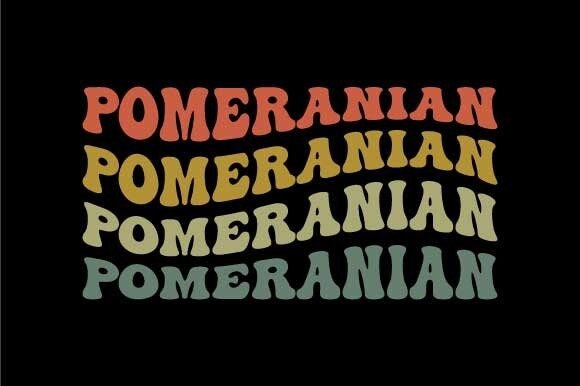
The moment you open the Retro Pomeranian SVG, the vibe hits you immediately. It isn’t trying to be photorealistic, nor is it overly complex. It leans heavily into a nostalgic, mid-century modern aesthetic that feels warm, approachable, and slightly playful. For designers, this is gold because it bridges the gap between high-end boutique branding and accessible hobbyist charm.
The shape language is clean. The curves of the Pomeranian’s fur are stylized in a way that suggests volume without demanding excessive detail. This is crucial for embroidery. A design that relies too heavily on tiny, intricate details often gets lost in the thread or becomes a nightmare to digitize properly. Here, the visual weight is balanced. It screams "cozy," "fun," and "personal." It fits perfectly into the current trend of retro-inspired home goods and custom apparel. Whether you are aiming for a small shop product line or creating a one-off personalized gift, this design has the versatility to anchor a collection.
Real-World Application: Where Does It Shine?
Let’s talk about where this machine embroidery design actually earns its keep. I’ve mentally mapped out several projects where this file would perform exceptionally well, based on current market trends and fabric behavior.
- Custom Apparel: This is the obvious winner. Think oversized sweatshirts, vintage-wash t-shirts, and hoodies. The retro theme pairs beautifully with distressed fabrics. Imagine a cream-colored heathered sweatshirt with the Pomeranian centered on the chest or placed subtly over the heart. It creates an instant connection with buyers who love pets and vintage aesthetics.
- Tote Bag Design: Canvas totes are a staple for craft fairs and online shops. This design works wonderfully as a focal point on a large tote bag. It’s sturdy enough to handle the structure of the bag and offers a great contrast against natural canvas or bold solid colors.
- Baby Embroidery: There is a huge market for nursery decor and baby gifts. The soft, rounded lines of the Pomeranian make it safe and appealing for baby items. Picture this on a muslin blanket, a burp cloth, or a onesie. It’s gentle, non-threatening, and visually calming—perfect for a new parent’s wishlist.
- Embroidered Patch: If you offer patches as add-on items, this design is ideal. It has a distinct silhouette that reads clearly even when scaled down. A leather-backed patch featuring this Pomeranian could easily become a bestseller for jackets, backpacks, and hats.
- Kitchen and Home Goods: Don’t overlook tea towels, aprons, and pillow covers. The retro vibe fits seamlessly into kitchen aesthetics. A set of matching tea towels with different pet designs (using this as one of them) can drive higher average order values for your digital product sellers or physical inventory.
Technical Considerations and Stitch Behavior
While the concept is strong, execution is everything. As an experienced reviewer, I have to highlight where you need to be careful. Not every surface is created equal, and not every fabric plays nice with every design.
Hoop Size and Density: Before you start stitching, check the hoop size requirements. If the design is intended to be quite large, ensure your machine can accommodate it without requiring re-hooping, which can misalign the pattern. Conversely, if you plan to scale it down for smaller items like caps or baby bibs, pay close attention to the stitch density. High-density areas can pucker thin fabrics, while low-density areas might show the fabric weave through, especially on textured materials.
Fabric Texture and Contrast: This design relies on clear lines. On highly textured fabrics like heavy tweed or boucle, the details might get lost. Stick to smoother weaves like cotton, denim, or polyester blends for the crispest result. Also, consider your thread colors. The retro palette likely includes specific tones; ensure you have threads that match the intended mood. High contrast between the thread and the fabric is key for readability. A dark grey Pomeranian on black fabric will disappear, whereas a mustard yellow on navy blue will pop.
Stabilizer Selection: Never skip the stabilizer. For stretchy knits used in custom apparel, a cut-away stabilizer is usually necessary to prevent distortion during washing. For woven fabrics like those used in tote bags or kitchen towels, a tear-away might suffice, but always test on a scrap piece first. Proper stabilization ensures your finished product looks professional and maintains its shape over time.
Where to Use Caution
There are certain scenarios where this embroidery file might struggle:
- Small Hoop Sizes: If you are working with very small hoops, fine details may merge together. Test at the smallest intended size to ensure clarity.
- Curved Surfaces: While caps and hats are popular, embroidering a flat design onto a curved surface requires significant skill. Distortion is common. Consider using this design primarily on flat panels before attempting it on structured headwear.
- Dense Stitch Areas: If the design uses a lot of fill stitches, avoid using it on delicate or thin fabrics that cannot support the weight of the thread. This can lead to puckering and fabric damage.
- Frequent Washing: For items that will be washed frequently, such as baby clothes or kitchen towels, ensure the design is anchored well. Loose ends or poor stitch placement can unravel over time, hurting your reputation as a maker.
Impact on Brand and Customer Trust
Using a well-designed asset like the Retro Pomeranian SVG does more than just decorate a product; it signals professionalism. Customers can tell the difference between a rushed, poorly digitized design and one that has been thoughtfully crafted. Clean lines, appropriate spacing, and thematic consistency build customer trust.
When you list this as a commercial embroidery item or include it in your design assets bundle, you are offering something that saves your buyer time while elevating their own brand. For creative entrepreneurs, having a library of versatile, high-quality designs allows for faster turnaround times and more consistent output. It allows you to focus on marketing and customer service rather than struggling with technical glitches.
Furthermore, the emotional connection to pets is powerful. A personalized gift featuring a Pomeranian taps into the deep affection owners have for their pets. This emotional resonance drives engagement and encourages sharing on social media, which is free marketing for your shop. When customers post photos of their embroidered patch or sweatshirt embroidery, they are essentially endorsing your quality and taste.
Final Verdict and Practical Next Steps
The Retro Pomeranian SVG is a strong contender for any designer looking to expand their offerings in the crafts and graphics niche. It strikes a balance between aesthetic appeal and technical feasibility. It is suitable for a wide range of applications, from apparel decorators creating seasonal collections to hobbyists making heartfelt gifts.
However, success lies in preparation. Do not assume the file will work perfectly out of the box without verification. Follow these steps:
- Test on Scrap Fabric: Always run a test stitch on the exact fabric you plan to use. Check for puckering, thread breaks, and color accuracy.
- Review Stitch Density: Inspect the digitization for overly dense areas that might cause needle breakage or fabric distortion.
- Check Licensing: Confirm whether the file is for personal use only or if it allows commercial sales of finished products. This is critical for Etsy sellers and small business owners.
- Create Mockups: Use printable mockups to visualize how the design looks on different products before committing to production. This helps in marketing and setting realistic expectations.
If you are ready to elevate your craft business with a design that is both charming and commercially viable, the Retro Pomeranian SVG is worth considering. Just remember: the magic happens in the details, so take the time to perfect your setup, and your customers will reward you with repeat business and glowing reviews.